
Inside the Diddy Documentary Controversy: 50 Cent, Allegations, and the Shadow Over a Hip-Hop Legend
Nicknames in hip-hop don’t get more iconic than Puff Daddy, P. Diddy, or Diddy. Over three decades, Sean “Diddy” Combs became one of music’s most influential figures — a founder of Bad Boy Records, a hitmaker, and a mogul who broke ground for artists long before streaming dominated the industry.
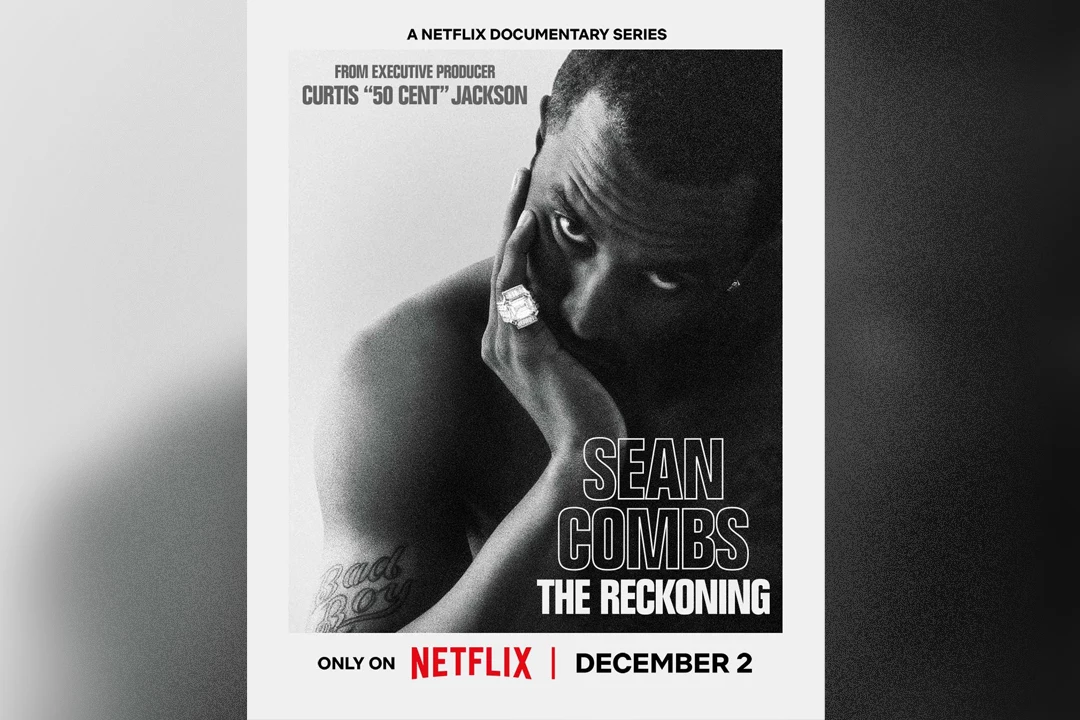
But in late 2025, that legacy took a dramatic, divisive turn with the release of a four-part Netflix documentary titled Sean Combs: The Reckoning — a series that has sparked widespread debate, revulsion, praise, and controversy. Wikipedia
What the New Documentary Is — and Who Made It
Sean Combs: The Reckoning launched on Netflix on December 2, 2025, as an in-depth look at Combs’ life and career — from his meteoric rise to his very public legal troubles and accusations from former associates. The series is directed by Alexandria Stapleton and executive produced by Curtis “50 Cent” Jackson — a relationship that immediately fueled discussion given the decades-long tension between 50 and Diddy. Wikipedia+1
50 Cent has publicly stated that the series was not made out of personal vendetta, insisting it was intended as a broader examination of Combs’ influence and alleged misdeeds. Still, critics note that his involvement literally places a longtime rival in the director’s chair, a factor that has complicated how audiences interpret the documentary. GQ
The Explosive Allegations the Documentary Highlights
The documentary doesn’t shy away from disturbing claims — many of which have circulated in hip-hop culture for years but were never fully laid out in one place until now. Among the allegations and claims explored:
1. Abuse, Coercion, and Sexual Misconduct
Several former associates — including artists and employees close to Bad Boy — appear in the documentary with serious allegations about Diddy’s behavior behind the scenes. Some say they witnessed or were subject to coercion, intimidation, or disturbing conduct while working with the mogul. People.com
2. “Freak Offs” and Exploitative Behavior
One former escort described elaborate, drug-fueled events organized by Combs called “freak offs,” involving multiple people and a cycle of party culture that some described as exploitative and uncomfortable. People.com
3. Violence Within the Inner Circle
People who once worked with him describe a culture of fear at times, implying that Combs’ influence wasn’t simply about music, but about controlling and dominating those around him. People.com
Even Combs’ legal team has rejected the documentary’s narrative as one-sided and framed by his adversary — arguing that some footage is unauthorized and that several stories are unverified. People.com
50 Cent’s Role — Exposer or Opportunist?
Curtis “50 Cent” Jackson’s involvement is impossible to ignore. He’s been a vocal critic of Combs for years — even suggesting in interviews that Combs played a role in historical hip-hop violence, including the death of Tupac Shakur, a claim he has reiterated privately and online over the decades. EW.com
In promotional interviews for the doc, 50 has said the project isn’t personal, but many critics watch it as vindication driven by rivalry. Whether that’s fair or not, it matters — because a mainstream streaming doc with a rival as executive producer blurs the line between journalism and vendetta. GQ
Tupac, Biggie, and the Murky Links to Diddy
One of the most controversial topics covered in The Reckoning revisits claims about Combs’ connections — speculative and otherwise — to the murders of Tupac Shakur (1996) and The Notorious B.I.G. (1997). FOX 5 New York+1
The documentary explores longstanding conspiracy theories and allegations — including claims that Combs may have had insight into events or played a role in escalating East Coast–West Coast tensions. These claims have never resulted in criminal charges against Combs, and many experts warn there is no verified legal evidence linking him to either murder. ALM
Still, voices in hip-hop culture — including people close to those eras — have long speculated about hidden influences and motives, meaning the documentary revisits old wounds and feeds new conjecture whether factually grounded or not. People.com
Why This Documentary Feels Different
There have been earlier documentaries about Sean Combs and Bad Boy Entertainment — including TMZ’s Downfall of Diddy and other exposés focused on his legal battles. Wikipedia
But The Reckoning is the first to:
- present first-hand testimonies from former insiders
- combine historic context with new footage
- be backed by a cultural rival
- reach a massive global audience via Netflix
Critics have called it grimly necessary and a “relentless portrait” of an industry icon whose legacy is now deeply tangled with allegations of wrongdoing and misconduct. The Guardian
The Pushback: Defenders Speak Out
Not everyone thinks the documentary is fair. Combs’ legal team called it a “shameful hit piece,” saying it recycles allegations without context or verification. Some fans and commentators argue that decades-old conspiracy theories should not be treated as fact simply because they were restated in a documentary — and that creative control should not rest in the hands of a rival. People.com
Others point out that viewing figures suggest intense public interest but not consensus — with many viewers watching The Reckoning as entertainment, not truth. Wikipedia
Should We Judge a Legend Based on Allegations?
That’s the core question facing hip-hop today.
On one hand, The Reckoning forces accountability into the open — compelling audiences to consider power, privilege, and consequence. On the other, the mixture of long-standing speculations, personal rivalry involvement, and unproven allegations risks turning legitimate inquiry into trial-by-media.
But what can’t be dismissed is that the documentary has re-ignited cultural debates about:
- the cost of legacy
- the weight of unproven claims
- and how we evaluate powerful figures under scrutiny
None of these questions are easy, and all of them go beyond just one person.